Climbing Wall Descriptors
Arête
From the French word for “stop,” the climbing term arête [uh-REYT] describes where a wall bends, much like an external corner of a building. Arêtes can be thin, “knife-edges,” or narrow blades of rock, or they can be blunt corners.
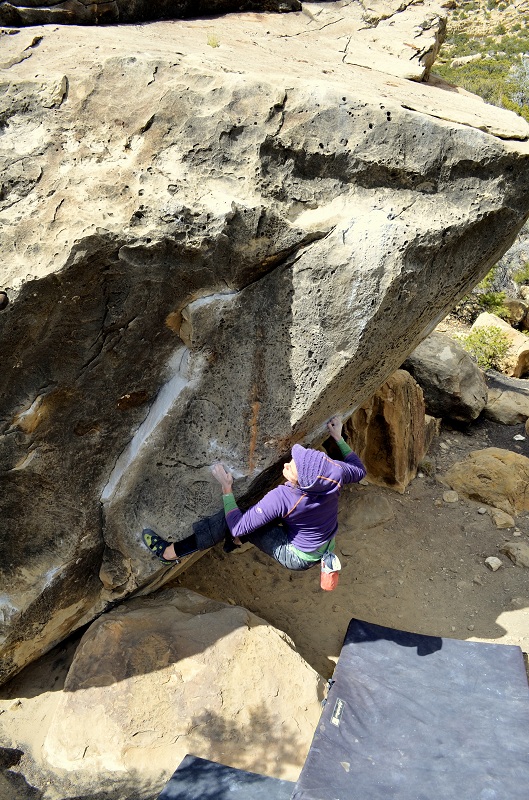
Pulling around an arete in Joe's Valley, Utah; David Sjöquist Photo
Dihedral
Like an arête, a dihedral is also a corner; however, a dihedral is formed where rock folds together—much like a corner in a room. Dihedrals can be tight or broad.
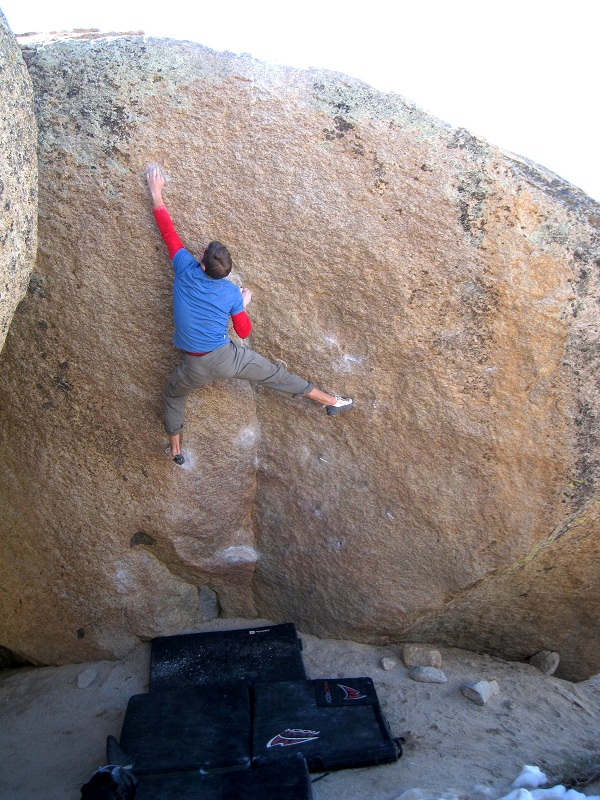
Stained Glass, in Bishop, California, is a very open dihedral; Christine Sjöquist Photo
Slab
A slab (or slabby wall) is any climbing face that has a less-than-vertical aspect.
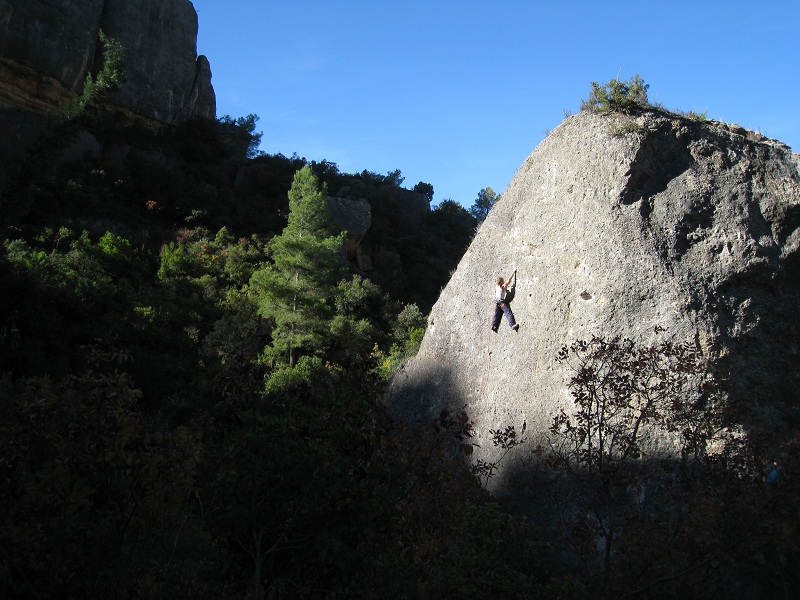
A slabby sport route in Margalef, Spain; Christine Sjöquist Photo
Overhang
An overhang (or overhanging wall) is the opposite of a slab; it is anything with a greater-than-vertical aspect.
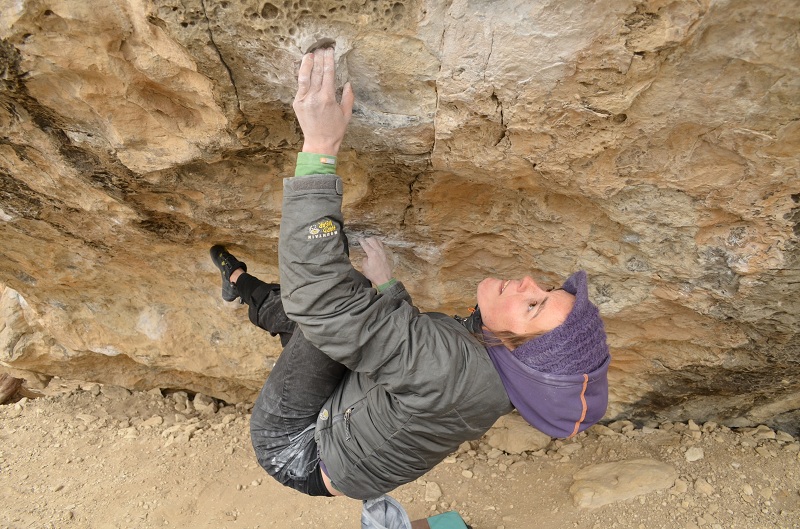
An overhanging boulder problem at Joe's Valley, Utah; David Sjöquist Photo
Roof
A roof is a very steep overhang, so steep it has a horizontal (or nearly horizontal) aspect.
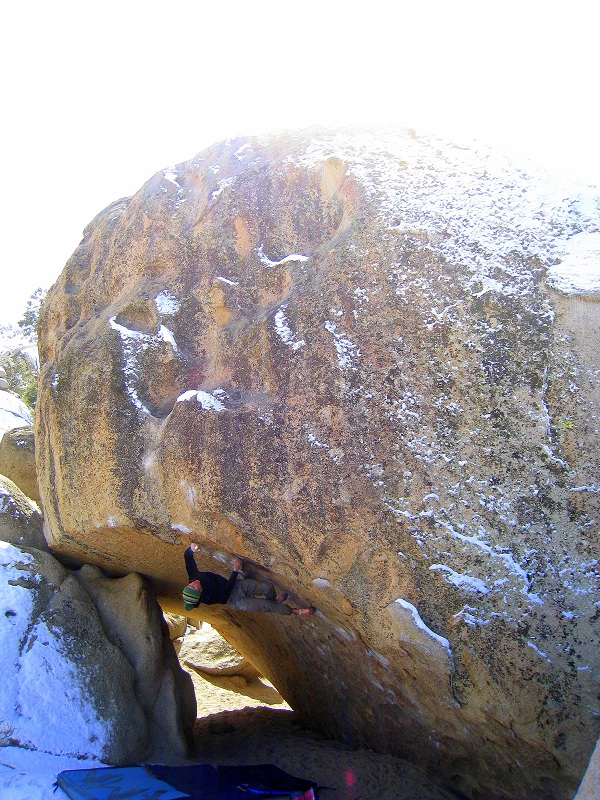
Xavier's Roof in Bishop; Christine Sjöquist Photo
High-Ball
A high-ball is a very tall boulder problem. These are best done carefully, and with a lot of pads and spotters.
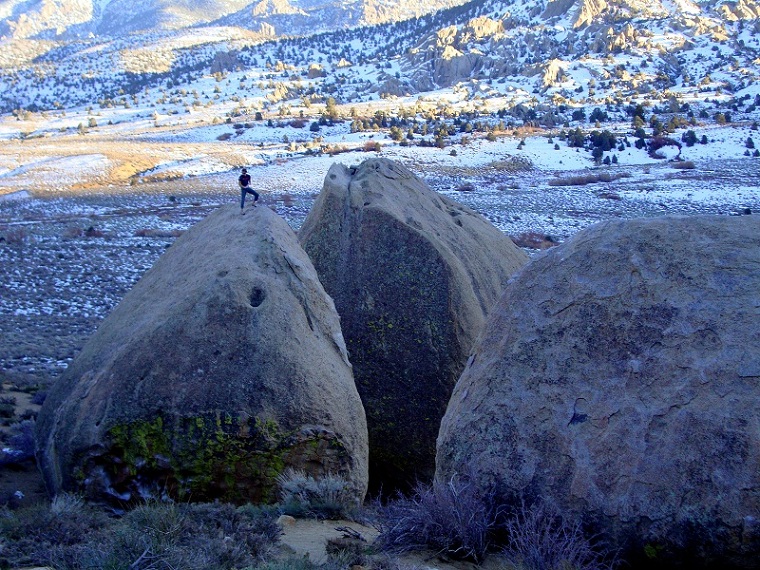
Topping out a Wicked High-ball in Bishop, California; David Sjöquist Photo
Low-Ball
The very opposite of a high-ball. So low, a pad might even get in the way.
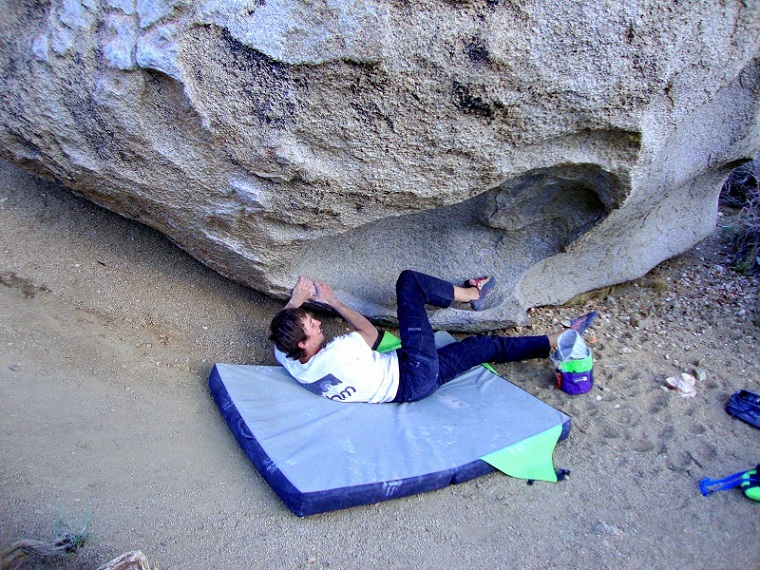
Yes, it's a silly as it looks. But it's fun, too! Bishop, California; David Sjöquist Photo
Let us know if we’re missing any terms!